Top Trends in Property Renovation Hull for Modern Living
Hull’s housing stock tells a clear story about the city. Victorian terraces, interwar semis, dockside conversions, postwar estates, and newer suburban developments all sit within a few miles of each other. That mix is exactly why renovation trends here look a little different from what you see in glossy national magazines. People are not just chasing style. They are solving practical issues, improving energy performance, making older homes work harder, and protecting value in a market where buyers notice quality quickly.
Over the past several years, I have seen a shift in what homeowners in Hull ask for first. It used to be kitchens and bathrooms leading every conversation. Those still matter, of course, but they now sit alongside insulation upgrades, layout changes, better natural light, lower maintenance finishes, and smarter use of awkward spaces. The modern home in Hull is less about showy upgrades and more about comfort, resilience, and day to day ease.
That matters whether you are planning a full Property Renovation Hull project, updating a rental, or trying to future proof a family house you intend to stay in for another decade. Trends can be useful when they reflect how people actually live. The best ones are not fads. They are responses to heating costs, hybrid working, aging housing stock, tighter budgets, and changing expectations about home life.
The move toward warmer, more efficient homes
If there is one trend that now shapes almost every serious renovation, it is thermal performance. Homeowners are paying far closer attention to heat loss than they did ten years ago. In Hull, where many properties were built long before modern standards, that makes perfect sense.
External walls in older terraces often need careful thought. Solid wall houses can feel cold even when the heating is running steadily, and poorly handled upgrades can create damp issues instead of solving them. The smarter approach is usually a balanced one, improving insulation where possible, addressing ventilation, upgrading windows if they are beyond repair, and sealing obvious drafts without making the house unable to breathe.
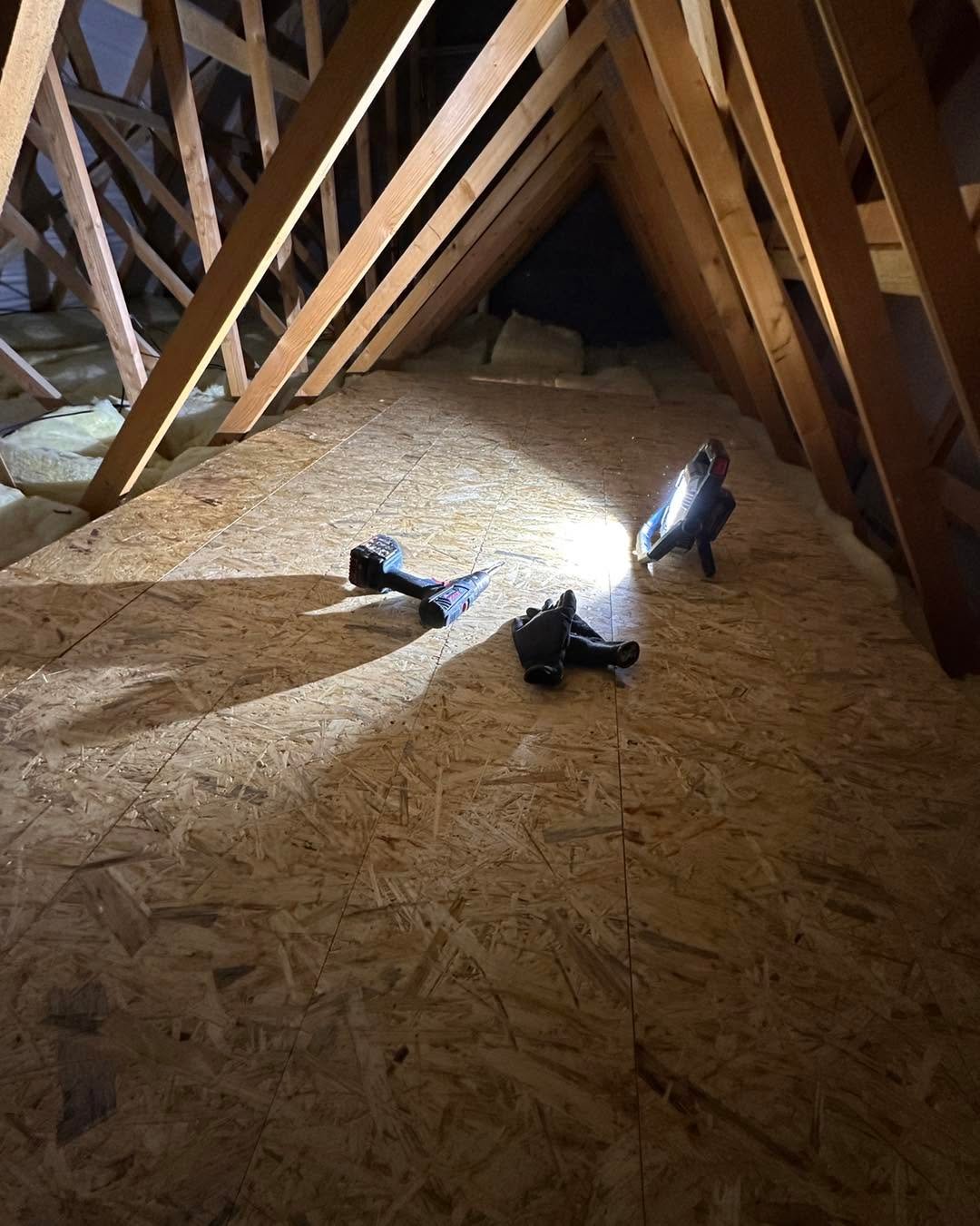
Loft insulation remains one of the simplest wins. It is not glamorous, but it consistently improves comfort. Floor insulation is also gaining attention, especially in houses with suspended timber floors that leak heat through the void below. People often underestimate how much difference that makes underfoot. A well renovated room should feel stable and comfortable, not just look good in photographs.
Heating systems are changing too. More homeowners are replacing tired boilers, zoning their heating more precisely, and upgrading controls. Underfloor heating is popular in ground floor remodels and extensions, particularly where old layouts are being opened up. It is not right for every property, and retrofitting it upstairs rarely makes financial sense, but in kitchens and rear living spaces it can transform how a room feels.
Good energy upgrades are not about throwing products at a problem. They depend on sequencing. If a General Contractor tackles new plaster, flooring, and decoration before fixing moisture issues or upgrading insulation, money gets wasted. The better projects always start with the shell of the building.
Open plan is evolving, not disappearing
For years, open plan was treated as the obvious answer to modern living. Knock through the rear rooms, fit a large kitchen island, install bi fold doors, and call it done. That formula still has appeal, but homeowners in Hull are becoming more selective about it.
Fully open layouts can be noisy, hard to heat, and awkward when more than one person needs the space at the same time. Families with children, couples working from home, and owners of narrower terraces often find that some separation is more useful than one large undefined room. General Contractor The new direction is not a return to boxy layouts. It is a move toward zoned openness.
That can mean wider openings between rooms rather than a full knock through. It can mean internal glazing that keeps light moving while preserving acoustic separation. It can mean a pocket door between kitchen and lounge, so the house can feel open during the day and more contained in the evening. I have seen several Hull homeowners choose half walls, built in shelving dividers, or changes in floor finish to define function without chopping a space up.
Rear extensions still feature strongly in Property Renovation Hull schemes, particularly where the original kitchen is cramped. But the brief has changed. Clients now want rooms that can flex, a kitchen that does not dominate every square foot, and enough wall space for furniture, storage, and everyday living. That is a more mature way of thinking about layout, and it generally ages better.
Kitchens are becoming working rooms, not showrooms
The modern kitchen in Hull is less performative than it once was. Homeowners still want quality finishes, but they are putting more thought into durability, maintenance, and storage logic. Matte fronts, textured laminates, painted timber, and hard wearing quartz style worktops are common choices because they cope with real use.
A good kitchen renovation now starts with routine. Where do groceries land when they come in? Is there enough tall storage? Can two people cook without colliding? Is there task lighting over prep areas, not just pendant lights over an island? These questions matter more than trend driven styling.
Pantries and utility spaces are having a strong moment, especially in larger semis and detached homes, but even compact terraces are finding ways to carve out practical storage. A shallow full height cupboard with power for small appliances often does more for daily life than an expensive designer tap. Utility rooms, boot rooms, and laundry cupboards are especially valuable in Hull homes where wet weather, school bags, pet gear, and coats need a proper landing zone.
Colour is changing too. Bright white kitchens are giving way to warmer neutrals, muted greens, clay tones, charcoal accents, and natural timber effects. They feel softer and less clinical. They also sit better in older homes, where some period texture remains. The most successful kitchen renovations tend to respect the character of the building instead of trying to erase it completely.
Bathrooms are prioritising ease and longevity
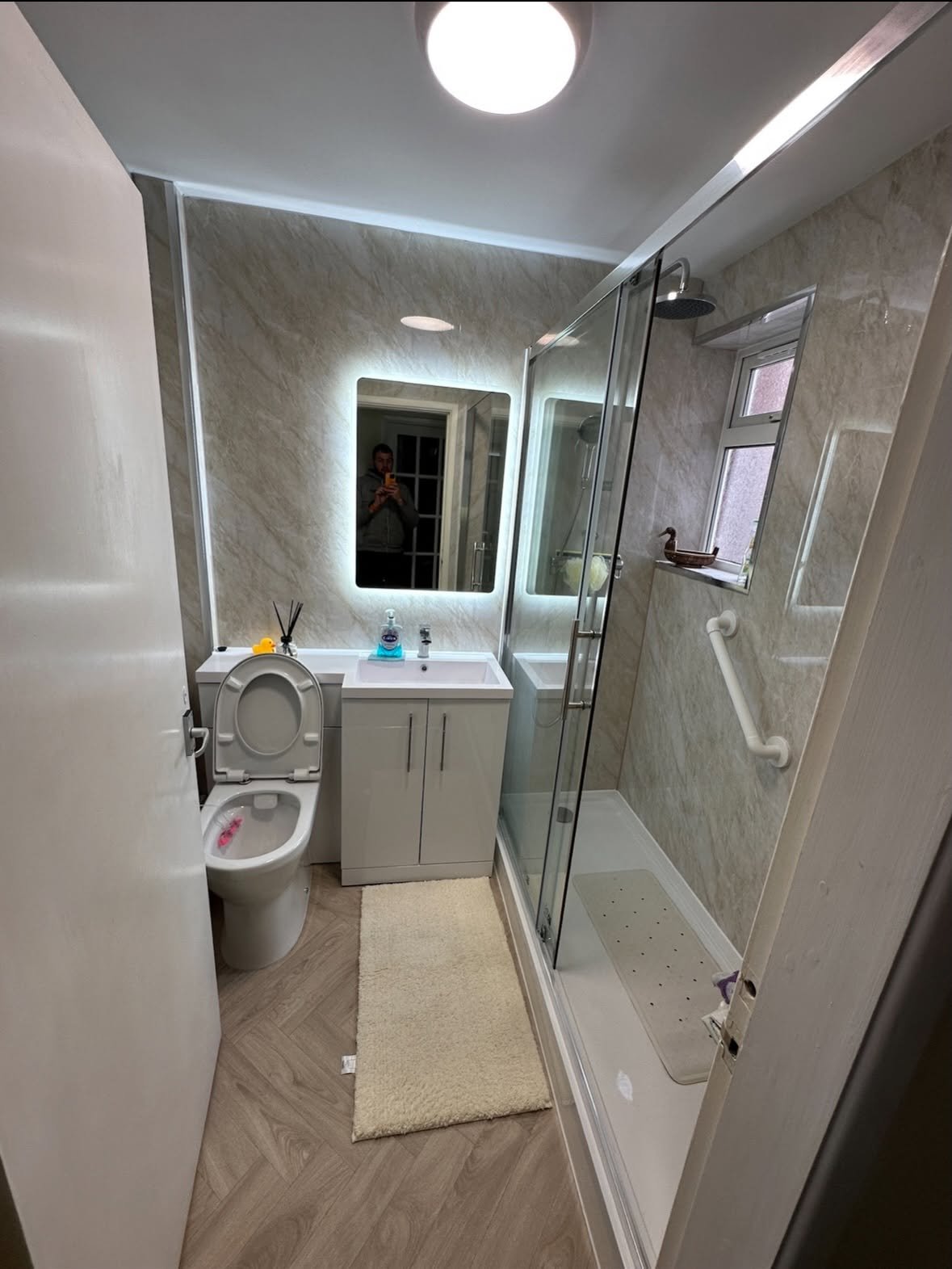
Bathroom trends in Hull have become more grounded. Homeowners are less interested in novelty fittings and more interested in practical comfort. Walk in showers continue to lead many refurbishments, especially when replacing dated corner enclosures or large underused baths. Even families who want to keep a bath often prefer a cleaner, simpler arrangement with better circulation and easier cleaning.
Large format tiles remain popular because they reduce grout lines and create a calm look. However, they only work well if the substrate is prepared properly. In older houses, uneven walls and floors can make installation more demanding than clients expect. That is one of those areas where good workmanship matters more than the product itself. A modest tile fitted well will outlast an expensive tile laid on a poor base.
There is also more interest in comfort details, decent extraction, underfloor heating in compact spaces, recessed storage, and lighting that works for both mornings and evenings. Bathrooms used to be treated as a quick visual upgrade for resale. Now they are expected to function like mature, well resolved rooms.
Accessibility is quietly influencing design as well. Level access showers, wider entries, stronger wall support for future grab rails, and easier to operate fittings are being included earlier in the process. Not always because someone needs them now, but because homeowners are planning ahead.
Restoring original features, but with restraint
Hull has many homes with character worth keeping. Original doors, cornices, exposed brick, fireplaces, timber floors, and stained glass can add depth that no new finish can replicate. Yet the trend is no longer to preserve everything at any cost. People are choosing their battles.
A well judged renovation keeps the features that genuinely add value and atmosphere, then updates the rest for modern use. That might mean refurbishing original floorboards in the front rooms while using engineered timber in the rear extension. It might mean restoring a hallway arch and staircase but replacing damaged skirtings elsewhere with simple profiles that blend in. It might mean keeping a chimney breast as a visual anchor even if the old fireplace itself is no longer practical.
This approach works particularly well in Hull’s older terraces, where too much stripping back can leave a house feeling cold and unfinished, yet over restoring every period detail can swallow the budget. Experience helps here. A capable General Contractor usually knows when a feature is salvageable, when it is decorative but unimportant, and when trying to save it will compromise the larger project.
The sweet spot is authenticity without fuss. Buyers and homeowners alike respond to houses that feel honest.
Home offices and multi use rooms are now built into the brief
The era of balancing a laptop at the kitchen table has not disappeared entirely, but many households now want a more permanent answer. In Hull, where room sizes vary widely and extensions are not always possible, this has driven some creative renovation decisions.
Box rooms are being upgraded into focused workspaces with custom joinery. Spare bedrooms are being divided more intelligently. Under stairs areas, landings, and alcoves are being designed to support short work sessions, homework, and admin. In larger homes, a front reception room that once sat underused is being reclaimed as a proper study or snug.
The key change is that these spaces need to work acoustically and visually with the rest of the home. A desk pushed into a corner is not a home office. Proper lighting, data access, power placement, insulation, and storage all matter. So does privacy. That is why partial partitions, glazed doors, and built in cabinetry have become more common in renovations that aim to support hybrid working.
This trend has also pushed loft conversions higher up the priority list for some households. Where planning and structure allow, the loft can become a very effective office or guest room, especially in areas where moving to a larger property would cost far more than adapting the current one.
Lower maintenance materials are winning
Modern living often means less time for upkeep, and renovation choices are reflecting that. The demand for low maintenance materials is strong across kitchens, bathrooms, external joinery, cladding, and garden connections.
Composite decking, porcelain paving, durable render systems, aluminium or quality composite doors, and easy care worktops are all being chosen for one simple reason: they reduce future hassle. That does not mean people want bland finishes. They still care about appearance, but they are weighing beauty against effort more realistically.
This is especially noticeable in investment properties and family homes with busy schedules. Property Maintenance HUll concerns often influence renovation choices from the start. Landlords and homeowners alike are asking what will still look decent after five years of heavy use, damp winters, muddy shoes, and the odd missed maintenance cycle.
One practical point here is that low maintenance should not be confused with maintenance free. Exterior materials still need inspection, seals still age, mastic still fails, gutters still clog, and ventilation still needs checking. But choosing robust products at the renovation stage usually reduces long term costs and disruption.
Exterior upgrades are no longer an afterthought
A lot of people still focus on the inside first, but the exterior of a property often determines whether the rest of the renovation performs properly. Damp ingress, roof wear, failed pointing, blocked drainage, rotting fascias, and poor ground levels can undermine expensive interior work.
More Hull homeowners are now treating the building envelope as part of the main renovation rather than a separate issue to defer. Roof repairs, chimney work, repointing, replacement rainwater goods, and sensible landscaping all matter. A house with a stylish kitchen but leaking gutters is not renovated, it is half finished.
Curb appeal plays a role too. New front doors, restored brickwork, restrained exterior colours, and tidier entrance paths can change how a property feels immediately. In streets with rows of similar houses, those details stand out. They can also strengthen resale value because buyers tend to form an opinion before they cross the threshold.
For owners of rental properties, exterior works are often one of the most cost effective ways to reduce emergency callouts. Good Property Maintenance HUll practice starts outside.
Smart technology is being used more quietly
There was a phase when smart homes were sold on novelty. Voice controls, dramatic lighting scenes, and gadgets for their own sake rarely held up well. The current trend is more sensible. Homeowners want discreet systems that save time, improve comfort, and reduce running costs.
Smart thermostats are now common. So are app controlled heating zones, video doorbells, leak detectors near high risk plumbing points, and security lighting that is actually useful rather than intrusive. In larger renovations, integrated data cabling is still worth considering, especially where thick walls or awkward layouts create patchy wireless coverage.
The best technology choices disappear into the background. You notice them because the house runs better, not because they draw attention to themselves. This is another area where an experienced General Contractor adds value by coordinating electricians, heating engineers, and joiners early enough that cables, controls, and access points are not left as late compromises.
Budget realism is shaping design decisions
One of the healthiest trends in renovation is a more honest conversation about money. Labour, materials, compliance, and specialist trades all cost more than many homeowners expect. The stronger projects are not always the most expensive ones, but they are the ones where the budget is aligned with the condition of the property and the ambition of the brief.
Certain warning signs usually mean a renovation budget needs more contingency:
- hidden damp behind old finishes
- outdated electrics that fail modern testing
- structural movement or undersized lintels
- plumbing routes that need full replacement
- asbestos containing materials in older elements
None of those issues automatically kill a project. They simply need to be priced and managed early. In Hull’s older housing stock, surprises behind walls and under floors are common enough that a realistic contingency is not optional. It is part of competent planning.
This is where the difference between a cosmetic refresh and a true renovation becomes obvious. Paint, flooring, and new fittings can transform a room visually, but if the substrate, services, or structure are failing, the improvement is temporary. Clients sometimes resist spending money on invisible work until they have lived through the consequences of not doing it. Once they have dealt with recurring damp, tripping circuits, or failed plumbing, priorities tend to sharpen quickly.
Better project coordination is becoming a selling point
Homeowners are more informed than they used to be. They ask sharper questions about programme, sequencing, building control, lead times, and who is actually managing subcontractors on site. That is a good development. Renovation projects rarely fail because one tile choice was wrong. They fail because communication breaks down, decisions are delayed, or trades arrive in the wrong order.
As a result, project coordination itself has become a trend, though it is less visible than finish choices. People want one accountable party, clear scheduling, realistic expectations, and a process that minimises costly rework. A reliable General Contractor who can handle structural changes, services coordination, inspections, and finishing details brings enormous value, particularly on lived in refurbishment projects where disruption needs to be managed carefully.
Hull homes often present tight access, shared boundaries, awkward service runs, and neighbours close by. Those conditions reward planning. Waste removal, delivery timing, weather exposure, party wall considerations, and temporary kitchen or bathroom setups can make the difference between a manageable renovation and a miserable one.
What modern living really looks like in Hull homes
The strongest renovation trends are the ones rooted in ordinary life. Warmer rooms, adaptable layouts, practical storage, better daylight, lower running costs, durable finishes, and fewer maintenance headaches, these are not passing fashions. They are the visible result of homeowners becoming clearer about what they need from their properties.
A successful Property Renovation Hull project does not chase every trend at once. It reads the building properly, sets priorities in the right order, and balances style with performance. Sometimes that means investing in insulation and drainage before a kitchen. Sometimes it means keeping original features in the front rooms and creating a clean modern rear extension. Sometimes it means scaling back decorative ambition to afford better windows, sounder electrics, or more robust materials.
The homes that feel best after renovation are usually the ones that make daily routines easier. They are comfortable on a cold morning, bright without feeling exposed, attractive without being fragile, and planned with enough foresight that the owners are not redoing the same work three years later.
That is where modern living and smart renovation meet. Not in gimmicks, but in houses that genuinely work better than they did before.
CHM Yorkshire Ltd
Hull
HU9 5BU
Tel: 01482 455159
Website: https://www.chmyorkshireltd.co.uk